Guide to cleaning listed buildings on Coldharbour Lane what to know
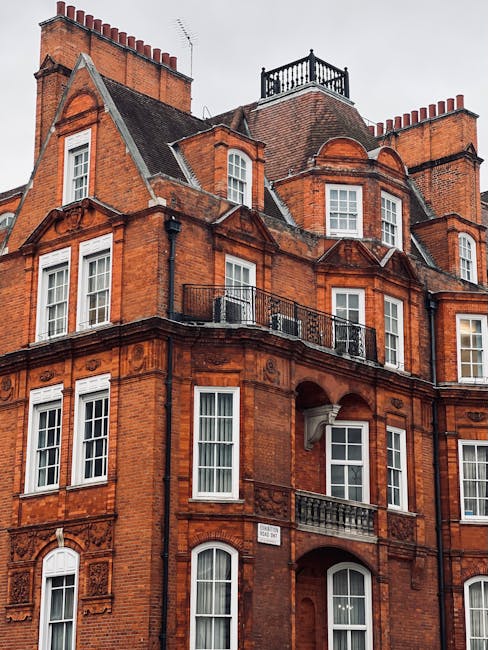
If you are looking after a listed property on Coldharbour Lane, cleaning is never just "cleaning". It is about protecting old materials, respecting the building's character, and avoiding small mistakes that can turn into expensive repairs. The Guide to cleaning listed buildings on Coldharbour Lane what to know is here to help you make sensible decisions, whether you own the property, manage it, or simply need to keep it looking cared for without causing damage.
Coldharbour Lane has its own rhythm: busy streets, mixed-use buildings, dust from traffic, weathered facades, and the usual London grime that settles into brickwork, stone, timber, glass, and ironwork. The trick is knowing what can be cleaned, how far to go, and when to stop. That is really the heart of it. In a listed building, less force is often better than more force.
This article explains the process in plain English. You will learn what makes listed buildings different, how to approach cleaning safely, which methods suit different surfaces, where the common traps are, and how to plan the work properly. There's also a practical checklist, a comparison table, and a few real-world pointers to make the whole thing less nerve-racking. Because truth be told, listed building maintenance can feel like walking a tightrope at times.
Why Guide to cleaning listed buildings on Coldharbour Lane what to know Matters
Listed buildings need a different mindset. Their surfaces may be fragile, patched, porous, repointed, overpainted, or simply older than they look. A standard cleaning approach can strip finishes, push moisture into vulnerable fabric, or leave staining that is hard to reverse. On a street like Coldharbour Lane, where buildings face pollution, splashback, and day-to-day wear, that risk becomes even more real.
The biggest reason this matters is simple: in heritage properties, cleaning is part maintenance, part preservation. You are not just trying to make the place look brighter for this week. You are trying to keep original features sound for the long term. That can include brickwork, sash windows, decorative stone, metal railings, tiled thresholds, timber frames, and even older internal finishes. A heavy-handed clean may look impressive on day one and then quietly cause trouble later. Not ideal.
There is also a practical side. Clean, well-kept surfaces tend to be easier to inspect. If a facade, hallway, or internal feature is already caked in dirt, you may miss small cracks, leaks, or signs of deterioration. Good cleaning can make maintenance easier to plan, which is a win for owners, landlords, and managers alike.
For local residents and property stewards, the real question is not "Can it be cleaned?" but "How should it be cleaned without harming the building?" That is where knowledge matters more than enthusiasm.
How Guide to cleaning listed buildings on Coldharbour Lane what to know Works
The work usually starts with an assessment. In practice, that means identifying the materials, the condition of each surface, and any obvious risks. Is the brick soft? Is the stone flaky? Has paint already failed? Are the windows original timber, modern replacements, or a mixture of both? The answer to each question changes the method.
A careful specialist will normally begin with the gentlest possible approach. Dry brushing, low-pressure rinsing, soft cloth wiping, and controlled detergent use often come before anything more invasive. If a surface needs more than that, the next step is usually to test a small, discreet area first. That sounds cautious because it is. But cautious is what you want here.
Cleaning listed buildings often involves a sequence rather than one single method. For example, a facade may need surface dust removal, a mild biodegradable cleaner, rinse control, and then a final inspection. Interior heritage areas may need vacuuming with soft brush attachments, careful dusting, and spot treatment rather than full wet cleaning. Outside, rain can complicate matters. Inside, humidity and ventilation matter more than people expect.
In some cases, the work overlaps with other services. A property recovering from building work might benefit from after builders cleaning first, but listed finishes still need a heritage-safe approach. Likewise, when a building needs a broader refresh, a considered deep cleaning plan can be useful as long as the methods remain surface-appropriate.
The general principle is always the same: preserve first, clean second, and test before you commit. That order saves headaches.
Key Benefits and Practical Advantages
Done properly, cleaning a listed building offers more than a polished appearance. There are some very real day-to-day advantages.
- Protects historic fabric by avoiding abrasive or overly wet methods.
- Improves inspection visibility so cracks, leaks, and deterioration are easier to spot.
- Supports tenant and visitor confidence when entrances, windows, and shared areas feel cared for.
- Helps preserve finishes such as lime-based surfaces, old timber, and delicate stonework.
- Reduces the chance of repeat damage caused by rushed cleaning or unsuitable chemicals.
- Can make future maintenance cheaper because issues are caught earlier.
There is also an emotional benefit, if that makes sense. A listed building that has been cleaned carefully tends to feel loved rather than merely occupied. You notice it when the entrance is bright, the windows are clear, and the stone or brick has depth again instead of a grey film. It changes the whole mood of the place.
If the property is residential, a thoughtful clean can make people more comfortable living with heritage features rather than feeling they are constantly fighting dust, soot, and street grime. If it is commercial or mixed-use, the same principle applies but with more footfall and a slightly faster pace of wear.
Who This Is For and When It Makes Sense
This guide is useful for several kinds of people, and they all tend to have slightly different pressures.
Owners and landlords often need a balance between presentation and preservation. They want the property looking smart, but they also want to avoid upsetting tenants or making a repair worse. A common scenario is a front elevation with pollution staining and a tired entrance that needs attention before a change of tenancy or a property inspection.
Property managers and managing agents usually need a repeatable process. They want clarity on what can be cleaned routinely, what needs specialist treatment, and what should be left alone unless there is a proper plan. That kind of practical structure helps a lot when several people are involved in approvals.
Homeowners in listed houses may need help with seasonal upkeep, end-of-project tidying, or long-overdue restoration of neglected surfaces. Sometimes the issue is not dramatic damage, just years of grime and a fear of making a mistake. Fair enough. Heritage materials can be intimidating.
Commercial occupiers on or near Coldharbour Lane may also need targeted cleaning for entrances, internal shared spaces, facade details, or windows. In those cases, regular window cleaning and specialist surface care can form part of a wider maintenance plan, provided the methods suit the age and condition of the building.
It makes sense whenever the building has value beyond utility. So, almost always in a listed property, really.
Step-by-Step Guidance
If you are approaching the work for the first time, it helps to break it down into manageable stages. That keeps everyone calmer and reduces the chance of accidental damage.
- Identify the building's key materials. Note brick, stone, render, timber, metal, plaster, tile, and glass. Each one responds differently.
- Check the condition first. Look for flaking paint, open joints, eroded mortar, hairline cracks, staining, or loose fixings.
- Decide what actually needs cleaning. Sometimes only the entrance, windows, or one elevation needs attention. No need to chase perfection everywhere.
- Choose the gentlest suitable method. Start dry where possible. Then move to low-risk wet methods, if needed.
- Test in a discreet area. Watch how the surface reacts before scaling up.
- Control water carefully. Avoid flooding, soaking, or forcing moisture into joints and edges.
- Use the right tools. Soft brushes, microfibre cloths, non-abrasive pads, and low-pressure equipment tend to be safer.
- Work in sections. That lets you monitor results, fix issues early, and keep the finish consistent.
- Inspect after cleaning. Check for residue, streaking, new exposure of defects, or signs that the surface has become unstable.
- Record what was done. A simple note of methods and products used can help future maintenance. It sounds basic, but it is very useful.
One thing people often miss: if a surface is not visibly dirty, leave it alone. Listed buildings are not test pieces. Sometimes the safest result is a minimal intervention, and that is perfectly fine.
Expert Tips for Better Results
From a practical point of view, the best outcomes usually come from restraint, patience, and a bit of judgement.
Use the softest effective method first. That might be a dry microfiber cloth, a vacuum with brush attachment, or a damp wipe rather than a chemical solution. The phrase "least aggressive" sounds technical, but it really just means don't start with the big guns.
Mind the weather. On a damp or very cold London morning, exterior cleaning can behave differently than expected. Surfaces dry slowly, residues stay visible longer, and old materials can hold moisture. If you can choose timing, a dry, mild day is usually kinder.
Be careful around joints and edges. Mortar lines, glazing putty, timber junctions, and cracked paint edges are all vulnerable. These are the places where water finds a way in. Sneaky, but predictable.
Keep chemicals simple. Strong products are not automatically better. In heritage work, compatibility matters more than muscle. If a cleaner smells powerful and promises miracle results, pause for a second.
Clean from top to bottom. That is standard sense, but it matters more on listed facades where dirty run-off can stain delicate surfaces below.
Protect surrounding areas. Cover floors, nearby joinery, and vulnerable fittings where appropriate. A small splash on the wrong surface can create a whole new job.
If you are coordinating a larger property refresh, services like house cleaning or domestic cleaning may help with general upkeep, while the listed elements are treated separately and more carefully. That separation is often the smartest route.
Common Mistakes to Avoid
Most problems with listed building cleaning come from good intentions paired with the wrong technique. It happens more than people think.
- Using high pressure too early. It can erode mortar, force water into cracks, and scar softer materials.
- Choosing harsh chemicals by default. Strong products can discolour stone, attack paint, or leave residue that is hard to remove.
- Over-wetting surfaces. Old buildings do not always dry quickly, and trapped moisture can cause long-term issues.
- Scrubbing without testing. Abrasive action can remove patina, which is part of the building's character.
- Ignoring hidden damage. If a crack or weak joint is already there, cleaning may expose it. That is useful information, not a reason to panic.
- Cleaning everything the same way. Brick, stone, timber, glass, and metal all need different treatment.
- Skipping documentation. Future contractors will thank you for notes, even if they never say it out loud.
There is also the "it'll be fine" mistake. You know the one. A quick spray, a bit of elbow grease, and suddenly the finish has changed forever. Not ideal on a modern surface, worse on a listed one.
Tools, Resources and Recommendations
The best kit for this work is usually not the flashiest. It is the kit that gives you control.
- Soft brushes for dust and loose debris.
- Microfibre cloths for controlled wiping and polishing.
- Vacuum cleaners with brush attachments for internal dust removal.
- Low-pressure rinse equipment where exterior wet cleaning is suitable.
- Non-abrasive pads for delicate spot cleaning.
- Test patches and sample areas to check surface reaction.
- Protective coverings for floors and adjacent finishes.
If your listed building has older glazing or lots of street-facing windows, routine window cleaning can make a big difference to the overall appearance without disturbing the rest of the building. Likewise, if you are dealing with interior textiles or soft furnishings, specialist services such as upholstery cleaning, sofa cleaning, or rug cleaning may be more appropriate than trying to treat them as part of a general clean.
For hard surfaces inside the property, a well-considered hard floor cleaning approach can help preserve older tiles, stone, or sealed floors, provided the method matches the finish. That detail matters more than most people expect.
And if you need help coordinating a wider clean by trained staff, you may want to work with a trusted cleaning company that understands careful site handling and heritage-aware methods.
Law, Compliance, Standards, or Best Practice
Because listed buildings are protected heritage assets, cleaning should be approached with care and proper judgement. In the UK, the details can vary depending on the listing, the building's location, and the work proposed, so it is wise to check what is permitted before changing anything significant. That is especially true if the work might affect original fabric or alter appearance.
In practical terms, the safest route is to treat cleaning as part of wider conservation-minded maintenance. Best practice usually means:
- using the least invasive method that achieves the job;
- protecting original materials wherever possible;
- testing before full application;
- keeping records of products and methods used;
- avoiding unnecessary replacement or over-restoration.
Health and safety also matters, particularly where access equipment, public footpaths, or awkward entrances are involved. Planning the work carefully helps reduce slips, splash risk, falls, and accidental contact with fragile surfaces. If a contractor is involved, it is sensible to check their approach to insurance and safety and their wider health and safety policy before work begins.
For owners and managers, clean documentation is part of good practice too. If something does go wrong, you want a clear trail of what was agreed, what was cleaned, and how it was handled. That is just good housekeeping, really.
Options, Methods, or Comparison Table
Not every listed building needs the same level of intervention. The table below gives a simple comparison of common approaches.
| Method | Best for | Main benefit | Main caution |
|---|---|---|---|
| Dry dusting and soft brushing | Internal ledges, timber, decorative details | Very low risk, good for routine care | May not remove ingrained dirt |
| Damp wiping | Painted surfaces, glass, some sealed finishes | Controlled cleaning with minimal moisture | Can mark delicate or porous materials |
| Low-pressure wet cleaning | Suitable exterior brickwork or stone | Removes grime without aggressive force | Needs testing and careful water control |
| Specialist deep cleaning | Heavily soiled properties or post-works cleans | More thorough where safe and appropriate | Must still respect heritage materials |
| Targeted professional treatment | Specific problem areas, fragile finishes, access issues | Tailored to the building's needs | Usually requires more planning |
In a nutshell: the more delicate the surface, the gentler the method should be. Simple rule, but an effective one.
Case Study or Real-World Example
Imagine a listed terraced building on Coldharbour Lane with a soot-marked front elevation, dusty sash windows, and a tiled entrance that has lost its shine. The owner wants the place to look cared for before a new tenant moves in, but they are understandably nervous about doing anything that might damage original features.
A sensible cleaning plan would probably start with a site check. The brickwork might be sound but porous, the mortar slightly soft in places, and the timber windows in decent condition but paint-worn at the edges. The entrance tiles may just need controlled cleaning rather than heavy scrubbing.
Instead of going in with a pressure washer, the cleaner would likely test a gentle method on a small area first. The windows could be handled separately, the entrance spot-treated, and the facade cleaned in sections. The whole job might take a bit longer, but the result would be safer and more even. You often end up with less drama, which is very welcome.
That kind of job is a good reminder that listed building cleaning is rarely about chasing a showroom finish. It is about bringing the property back to a respectful, readable state. Enough to look cared for. Enough to protect the fabric. Not too much.
Practical Checklist
Use this before any cleaning starts. It keeps the job grounded.
- Confirm which parts of the building are listed and which surfaces are sensitive.
- Inspect for cracks, loose mortar, peeling paint, or water damage.
- Decide which areas genuinely need cleaning and which should be left alone.
- Choose the gentlest method that will do the job properly.
- Test products and techniques in a discreet area first.
- Protect nearby surfaces, floors, and fixtures.
- Keep water use controlled and avoid soaking vulnerable materials.
- Use non-abrasive tools wherever possible.
- Document what was cleaned and how it was done.
- Review the result carefully before signing the job off.
Checklist done, and suddenly the whole thing feels a lot less mysterious. Funny how that works.
Get a free quote today and see how much you can save.
Conclusion
Cleaning a listed building on Coldharbour Lane is about more than appearance. It is about respect for old materials, awareness of risk, and making choices that support the building's long-term health. The best outcome is usually the one that looks calm and unforced: clean enough to lift the property, gentle enough to protect what makes it special.
If you remember only one thing, make it this: start with the least invasive method, test carefully, and never assume a standard clean will suit a heritage surface. That approach saves time, money, and a fair bit of stress. And honestly, it helps the building breathe a little easier too.
With the right plan, even a tired listed property can feel looked after again without losing its character. That is the real aim, and it is worth doing properly.
Frequently Asked Questions
Can listed buildings on Coldharbour Lane be cleaned like normal properties?
Not usually. The safest answer is that they should be cleaned more carefully than a standard property. Listed buildings often have older or more delicate materials, so methods need to be chosen with preservation in mind.
What is the safest cleaning method for a listed facade?
The safest method is generally the gentlest one that will achieve the result. That often means dry brushing, spot cleaning, or low-pressure methods after a test patch has been checked carefully.
Do I need permission before cleaning a listed building?
It depends on the type of work and whether it affects the building's character or fabric. Some cleaning is routine maintenance, but anything that could alter original materials should be checked carefully beforehand.
Why is pressure washing risky on listed buildings?
Because high pressure can remove surface material, force moisture into cracks, damage mortar, and leave an uneven finish. It can also expose hidden defects that were previously stable.
How do I know if a product is safe for heritage materials?
Look for products that are suitable for the specific surface and always test in a hidden area first. If the surface is porous, soft, painted, or historic, extra caution is sensible.
Should I clean the whole building at once?
Not necessarily. In many cases, it is better to clean in sections so you can monitor how each surface reacts. That also helps reduce risk and makes it easier to stop if something looks off.
Is interior cleaning different from exterior cleaning in a listed building?
Yes, quite a bit. Interiors often need dust control, careful wiping, and protection of finishes, while exteriors need water management, access planning, and more attention to weather exposure.
What should I do if the building already has damaged mortar or flaking paint?
Pause and assess the damage before cleaning. Cleaning may worsen the issue or reveal more of it, so vulnerable areas should be reviewed first and treated with caution.
Can regular domestic cleaning be used inside a listed house?
Some parts of it can, but only if the cleaners understand which surfaces need special care. A general routine is fine for some areas, but heritage features should be handled more delicately.
How often should a listed building be cleaned?
There is no fixed rule. Frequency depends on location, exposure, traffic, and use. A building on a busy London road may need more frequent light maintenance than one in a quieter setting.
What if I only need windows, floors, or soft furnishings cleaned?
That is often a good place to start. Targeted services such as window care, hard floor cleaning, upholstery cleaning, sofa cleaning, or rug cleaning can be more appropriate than a full-property intervention.
Who should carry out the work if I am not confident doing it myself?
A specialist or experienced cleaning company that understands careful handling, site safety, and heritage-aware methods is usually the best option. If in doubt, ask questions first and make sure the plan suits the building.