Deep Cleaning Brixton

Deep Cleaning Brixton provides a thorough cleaning service for homes and workspaces that need more than a routine tidy. The focus is on detailed attention to built-up dirt, neglected corners and awkward areas that can be missed during regular maintenance. We approach each job as a structured deep clean, working methodically across rooms so surfaces, fixtures and high-contact points are cleaned with care rather than rushed through.
Our service is suited to properties that need a reset after a busy period, before guests arrive, after a move, or simply when everyday cleaning is no longer enough. The work can include kitchens, bathrooms, flooring, skirting, switches, interior glass and other areas where grime tends to settle. If you need a dependable way to bring a property back to a cleaner standard, this is the right place to start. Request a quotation when you are ready to outline the property and the level of detail you need.
Because no two properties are identical, the scope is shaped around the rooms, finishes and access available. That means we can prioritise the most demanding areas first, then move through the rest of the property in a sensible order. The result is a cleaner, fresher space with the sort of detail that makes a real difference to appearance and upkeep. If you want to compare the wider service range, you can also look at our deep cleaning service and the overview of our cleaning company.
What our deep cleaning covers
Deep cleaning is best thought of as a detailed service rather than a quick refresh. It is designed to reach areas that are often skipped during regular cleaning, including edges, behind accessible furniture, around fixtures and along surfaces where residue collects over time. In practical terms, that means more than a visible tidy: it is a cleaner finish that addresses the parts of a room that make the biggest difference when they are properly looked after.
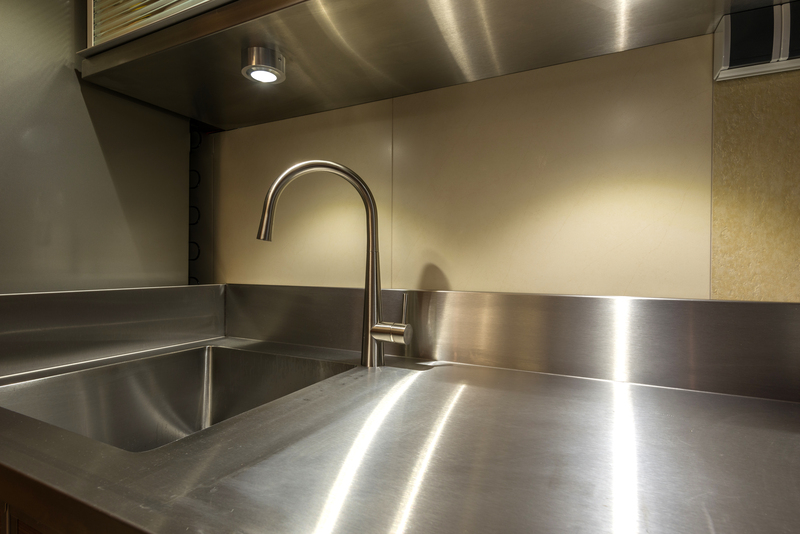
In a typical home, the work may involve careful cleaning of kitchen surfaces, sinks, taps, appliance exteriors, bathroom fittings, tiles, accessible cabinetry and other hard-working areas. Floors are treated with the appropriate method for the material, rather than with a one-size-fits-all approach. For a broader view of options that sit alongside this service, you may find domestic cleaning and house cleaning useful if you are comparing regular maintenance with a more intensive clean.
Commercial premises can also benefit from a one-off, detailed visit when routine upkeep is not enough. In those settings, the emphasis is usually on visible presentation, hygiene-sensitive contact points and a more orderly finish in shared areas. If your needs are office-based, see office cleaning or office cleaners for related support. We can also explain where deep cleaning is a better fit than lighter ongoing cleaning, so you can decide which approach suits the property and the task at hand.
Rooms and surfaces we can detail

Different rooms ask for different methods, and a good deep clean takes that into account. Kitchens tend to need the most detailed work because grease, steam and repeated handling leave traces on a wide range of surfaces. Bathrooms call for a careful approach around taps, basins, shower screens, tiles and fittings. Living rooms and bedrooms may need attention to flooring, skirting, doors, switches and any accessible areas where dust gathers or marks build up.
We also pay close attention to surfaces that change character when they are properly cleaned, such as polished tops, tiled walls, glazed panels and high-touch fixtures. For clients who need support beyond the core deep clean, related options may be relevant too. You can explore oven cleaning when the cooker needs specialist attention, or window cleaning where clear glass and frames matter to the overall finish. Those services can sit alongside a broader clean when the property needs a fuller refresh.
Where soft furnishings are part of the brief, we can discuss whether separate treatment is appropriate. Items such as sofas, rugs and upholstered chairs often need different methods from hard surfaces, because fabric, pile and construction all affect the cleaning approach. For that reason, we do not treat every room as identical; instead, we match the work to the material, condition and practical access so the result is thorough without being overcomplicated. This careful, room-by-room approach is one reason people choose deep cleaning over a basic surface clean.
Detail work that improves the finish
Deep cleaning is often judged by the smaller details. The visible difference may be obvious on a worktop or floor, but the real value often appears in the edges, fittings and transition points where dirt lingers. That can include skirting lines, door frames, accessible switches, the fronts of cupboards, trim around appliances and other areas that are easy to miss if a job is done only at surface level. This kind of detail work helps the property feel properly attended to.
Our approach is practical rather than decorative. We clean what can reasonably be reached and what is part of the agreed scope, using methods that suit the surface rather than forcing the same technique everywhere. For properties that need a more specialised finish, related pages such as hard floor cleaning and upholstery cleaning can be helpful starting points. They explain how specific materials are handled when a full deep clean needs targeted work on one element.
Where a property has more than one problem area, it is often sensible to prioritise the most noticeable or highest-use spaces first. Kitchens and bathrooms often come before secondary rooms because they carry the heaviest everyday build-up. That said, the right order depends on the property, and a good plan will always account for access, surface type and the time available. If you need a more intensive one-off clean for a property that has been busy for some time, one-off cleaning is another relevant option to review.
Choose the right level of service
Some customers need a comprehensive deep clean before returning a property to normal use, while others only need a focused clean in selected rooms. The important thing is to match the level of cleaning to the condition of the property rather than assuming every area needs the same treatment. A clear scope avoids wasted effort and helps the finished result feel consistent. It also makes it easier to understand what is included before any work begins.
If the property is being prepared for new occupants, you may want to compare this service with end of tenancy cleaning. If the building has recently had dust, debris or marks left behind by works, after builders cleaning may be more relevant. These services overlap in some areas, but the purpose and emphasis can differ, so it is worth choosing the option that best matches the condition of the space and the outcome you want.
Useful factors to think about when requesting a quote include the number of rooms, the types of surfaces involved, whether any specialist cleaning is needed and how much detail the property requires. You do not need to over-explain everything, but a clear summary helps the service be matched properly. If you are looking at costs, you can review pricing and quotes alongside the main service information. Ask for a quotation once you have a sensible outline of the work.
Preparing for a quotation

When you request a quotation, a few practical details make it easier to define the work accurately. The number of rooms, the general condition of the property and any areas needing special care are all useful. If certain surfaces are delicate, heavily marked or difficult to access, that is worth mentioning too. Clear information means the proposed scope can reflect the real job rather than a broad assumption.
For larger or more involved jobs, photographs or a brief room-by-room note can help describe what needs doing, especially where the property has not been cleaned to a regular schedule. It is also useful to mention whether there are items in the way, whether parking or access is straightforward and whether you want the work concentrated in particular rooms. These points are not complicated, but they help keep the quotation process efficient and relevant.
If you are ready to move ahead, a simple enquiry is enough to begin. You can compare the wider company information on about us and check the practical details on contact us when you want to request a quote. If you prefer to understand how payments and order details are handled, payment and security provides further background. A clear enquiry now can save time later.
Cleaning kitchens, bathrooms and high-use areas
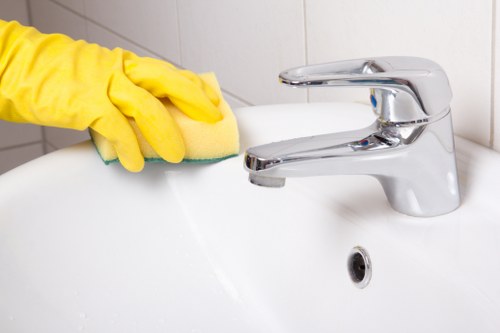
Kitchens and bathrooms often set the tone for the whole property, which is why they usually receive the most detailed part of a deep clean. In kitchens, the focus may fall on cooking surfaces, sink areas, splash zones, cupboard fronts, handles and other places that show everyday wear. In bathrooms, taps, basins, shower screens, tiled areas and fittings often need attention because moisture and soap residue build up gradually.
High-use rooms elsewhere in the property also benefit from this approach. Hallways, landings and living spaces can accumulate dust and marks in a way that is easy to overlook when cleaning is rushed. We work through those areas in a sensible sequence so the overall finish stays consistent. If your property needs a more specific finish for particular items, you can also review sofa cleaning or rug cleaning where fabrics and fibres require separate handling.
It is also worth remembering that the most suitable method depends on the surface itself. Some materials tolerate more intensive work, while others need a lighter but more careful touch. That is why a deep clean is not just about effort; it is about judgement. The right balance helps improve appearance without creating unnecessary wear. Where a property has a mixture of finishes, the cleaning plan should reflect that from the outset.
About Brixton
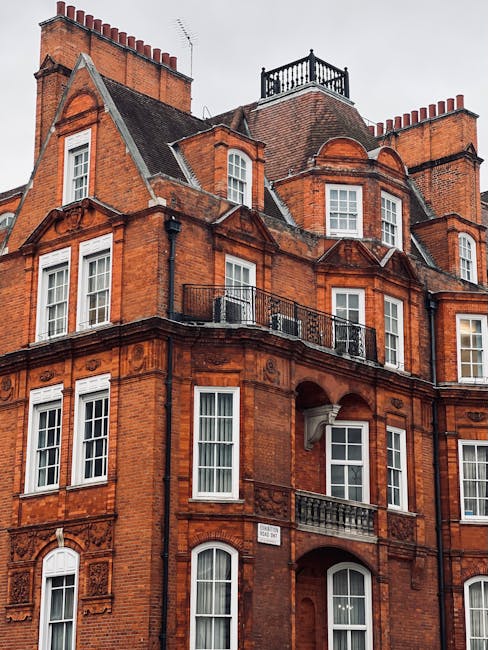
Brixton is a district in south London within the London Borough of Lambeth, known for its busy town-centre character and strong cultural identity. Brixton Road forms one of its main transport and commercial corridors, while Brixton Underground station sits on the Victoria line, making the area especially well connected to the wider capital. The district’s history is closely linked to nineteenth-century suburban growth, later civic development and the arrival of a diverse population that has shaped its present-day character. Market life is a defining feature: Brixton Market and the covered market spaces around Atlantic Road and Electric Avenue remain well known for food, retail and independent trade. Electric Avenue itself is notable as one of the earliest shopping streets in London to be lit by electric light, a reminder of the area’s long association with change and adaptation. Cultural venues such as the Ritzy Cinema add to the district’s character, while Brixton Village and nearby Market Row have become recognised destinations for dining and small businesses. The area also has strong residential stretches, with terraces, mansion blocks and interwar housing sitting alongside more recent development. Nearby green space includes Brockwell Park, one of the borough’s best-known open areas, which offers a contrast to the density of the town centre. Together these features give Brixton a layered urban identity shaped by transport, trade, architecture and community life.
Domestic and commercial cleans
Although many people think of deep cleaning as a domestic service, it can also be useful in offices, studios and other commercial settings. Workplaces benefit from a thorough clean when regular routines are not enough, particularly in kitchens, washrooms, reception spaces and shared areas. In these settings, the aim is often a more presentable and orderly environment rather than a decorative finish, and the service can be planned around the layout and level of use.
Where a business premises needs a wider clean, it can help to consider how the space is used day to day. High-contact surfaces, floors, glass and washroom fixtures may need particular attention. For related support, cleaners and cleaning company pages can help you compare the available services, while office cleaners remains a useful route for workplace-specific cleaning needs. The right choice usually depends on whether you need ongoing maintenance or a more intensive reset.
We can also help when a property requires a simple but thorough clean after a period of heavy use rather than a recurring schedule. In those cases, the scope is often straightforward: focus on the areas that need the most attention, avoid unnecessary extras and make sure the result matches the condition of the space. If you are comparing options for a home or business, it is sensible to choose the service that best fits the room type, surface material and overall aim.
Quotation details and service planning
A good quotation starts with a clear picture of the work. That does not mean every tiny detail has to be listed, but the basic information should be accurate. Room count, property type, condition, access and any specialist needs all shape the scope. This is especially useful where a clean involves both open-plan spaces and smaller rooms, or where some areas are far more demanding than others.
If you are unsure how much detail to include, keep it simple and practical. Explain which rooms matter most, whether any items need careful handling and whether there are surfaces you want prioritised. For services beyond the main deep clean, related options such as carpet cleaning and carpet cleaner may also be relevant if floor coverings need specific treatment. In many properties, a combination of general and targeted cleaning creates the best finish.
Once the scope is defined, the work can be planned in a sensible order so nothing important is missed. This is one reason why detailed cleaning is often more effective when it is organised rather than improvised. Clear planning helps the service stay focused on outcome, not just activity. If you want to speak about a quotation, send your details today and ask for the option that best fits the property.
Final checks and finishing touches
The final stage of a deep clean is where the work is brought together. Once the main cleaning tasks are complete, the attention shifts to finishing touches that help the whole property feel consistent. This can mean checking visible marks, making sure edges and corners are not overlooked, and confirming that the agreed areas have been covered properly. The aim is a result that feels orderly rather than half-finished.
Some properties benefit from a final review of the rooms that matter most to the customer, such as kitchens, bathrooms or front-facing reception spaces. Others need a broader look across all the main living or working areas. If your enquiry includes specialist items, it may also be useful to explore oven cleaner or facade cleaning depending on whether the need is internal or external. The key is choosing the right combination of services for the property in question.
If you are planning your own quotation request, the most useful next step is to name the service level you want, identify the rooms involved and note any surfaces that need extra attention. That gives a realistic basis for a quote and makes it easier to agree on the scope. Contact us for a quotation when you are ready to move forward, and we will help shape the work around your property and priorities.