Recycling and Sustainability at Deep Cleaning Brixton
 At Deep Cleaning Brixton, sustainability is built into the way we work. Our recycling-first approach is designed to reduce waste, support responsible disposal, and keep reusable materials in circulation for as long as possible. We aim to divert 90% of collected non-hazardous waste away from landfill through careful sorting, compliant transfer routes, and partnerships that prioritise reuse and recovery. For a busy area such as Brixton, where homes, shared buildings, and commercial spaces generate a wide mix of waste streams, this means using practical systems that fit local needs without compromising environmental standards.
How our recycling process works
Our recycling services in Brixton begin with sorting at source wherever possible. Mixed clear-outs often include cardboard, small electrical items, metals, textiles, plastics, and surplus household goods. We separate these into appropriate streams so they can be sent for recycling, reuse, or specialist treatment. In line with local borough waste separation practices, we pay close attention to items that must be kept apart, such as food-contaminated materials, glass, and certain household recyclables. This kind of selective handling helps minimise contamination and improves the quality of recovered materials.
Local transfer stations and waste routing
Brixton’s urban setting means efficient transport is important. We use local transfer stations to consolidate materials before onward movement to licensed recycling facilities or recovery partners. This reduces unnecessary trips and helps keep our logistics compact. By using local sorting and transfer points, Deep Cleaning Brixton can better manage bulky waste, construction offcuts, and mixed clearances while lowering the environmental cost of transport. Where suitable, recyclable loads are routed to facilities that process paper, metals, plastics, and wood, while non-recyclable residual waste is directed to approved disposal routes.
 Our commitment to sustainability also extends to reuse. We work with charities and community organisations that can give suitable items a second life, especially furniture, books, kitchenware, clothing, and usable office equipment. Instead of sending everything to a recycling facility, we look for opportunities to reuse before recycle, which is one of the most effective ways to reduce waste. This approach is especially relevant in South London, where local groups often support households, students, and families with affordable or donated items.
Partnerships that support circular use
Our partnerships are selected to support a more circular economy. When items are in good condition, they are assessed for donation or resale pathways rather than disposal. This can include collaboration with charities that help furnish homes, support hardship relief, or distribute recovered goods to those who need them. In addition, materials such as scrap metal, clean cardboard, and certain plastics are sent to specialist recyclers that can process them into new products. By working across these channels, our recycling company in Brixton helps keep useful resources in circulation and reduces pressure on landfill and incineration systems.
Low-carbon vans and cleaner collections
Transport is a major part of any collection service, so we have invested in low-carbon vans and more efficient route planning. These vehicles help reduce emissions on local jobs, particularly where multiple collections can be grouped into a single trip. For urban areas like Brixton, shorter routes and cleaner vehicles make a real difference. Combined with careful scheduling, our low-emission fleet supports greener waste movement while still delivering the flexibility needed for domestic, commercial, and communal clean-ups. We also review load sizes to make sure each journey is as efficient as possible, reducing fuel use and unnecessary mileage.
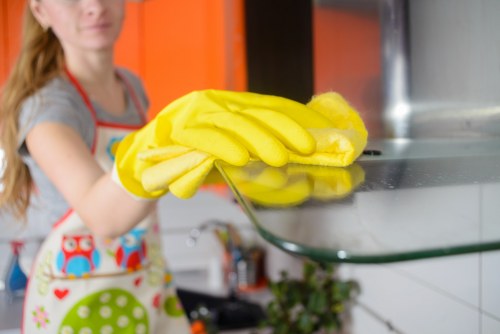 A sustainable clean-out is not only about what happens after collection; it also depends on how waste is prepared. We encourage clear separation of recyclable materials where practical, and our teams are trained to identify common streams quickly on site. In boroughs with strong recycling policies, residents are often already familiar with separating dry mixed recycling, food waste, garden waste, and residual rubbish. That local habit supports our work, because it allows us to place more items into the correct recovery pathway. Small changes, such as keeping cardboard dry or removing batteries from equipment, can significantly improve recycling outcomes.
Recycling activities relevant to the Brixton area
Different property types in Brixton create different recycling patterns. Flats and shared buildings often generate compacted mixed waste, while shops and offices produce more cardboard, packaging, and office materials. We adapt our methods to suit these settings and to work alongside the borough’s approach to waste separation. That may include handling paper and card separately, diverting scrap metal from general waste, and isolating electricals for approved treatment. We also manage textiles and small reusable household items carefully, as these are often suitable for donation or specialist recovery rather than disposal.
Reducing waste through practical recovery
As part of our Deep Cleaning Brixton recycling promise, we focus on practical recovery solutions. Items with remaining value are identified first, followed by materials that can be recycled through established local and regional systems. This method reduces waste sent to landfill and supports better use of natural resources. It also aligns with the growing demand for environmentally responsible cleaning and clearance services in South London. We aim to make sustainability feel straightforward: sort well, reuse when possible, recycle what remains, and transport everything through the cleanest feasible route.
 Our recycling percentage target remains a key benchmark for performance, and we regularly review progress against it. By measuring how much of each job is reused, recycled, or recovered, we can keep improving the environmental outcomes of our service. This helps us maintain accountability and ensures that our eco-friendly cleaning operations in Brixton stay aligned with modern waste standards. It also gives clients confidence that sustainability is more than a label; it is part of the process from start to finish.
A cleaner future for Brixton
Deep Cleaning Brixton is committed to supporting cleaner homes, more responsible business clearances, and better use of materials across the area. Through local transfer stations, charity partnerships, low-carbon vans, and careful separation of recyclable waste, we reduce the environmental impact of cleaning and clearance work. The goal is simple: keep valuable materials moving back into use, reduce pollution from transport, and ensure that disposal is always the last option. That is how recycling in Brixton can support a more sustainable neighbourhood.
Working with the wider waste system
 Sustainability works best when each part of the system does its job well. We support the borough’s broader recycling and waste separation efforts by handling collections responsibly and by directing materials to the right end point. Whether we are clearing a flat, an office, or a retail unit, the same principles apply: recover what can be reused, recycle what can be processed, and keep emissions as low as possible. With a 90% recycling target, local transfer partnerships, community reuse links, and low-carbon vans, Deep Cleaning Brixton is helping build a cleaner and more resource-conscious future for the area.